
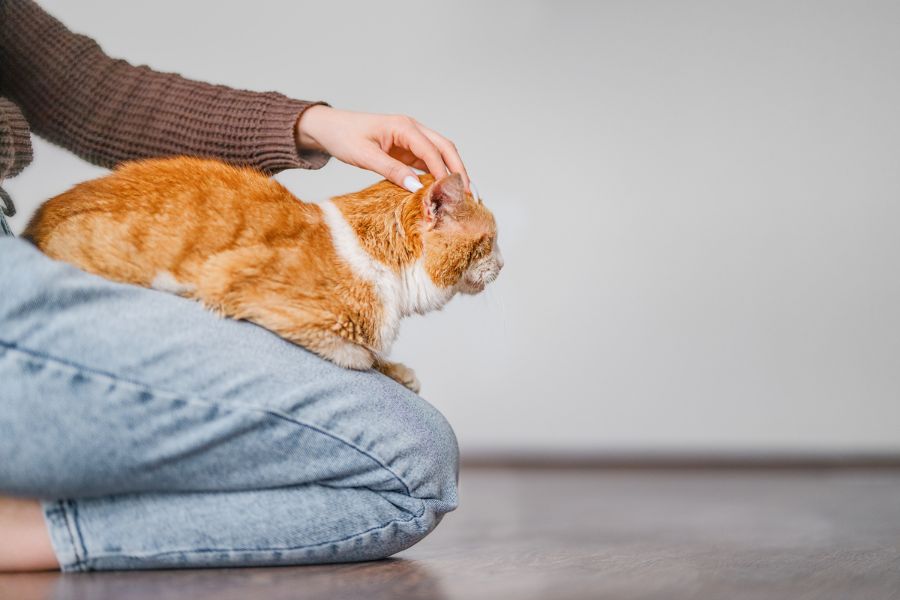
Cats are cute but curious creatures with unique behaviors that often leave us wondering what they’re trying to tell us. From the way they meow to their habit of scratching, every action has a purpose. Understanding common cat behaviors can help strengthen your bond with your feline friend and ensure their well-being. In this blog, we explore some common cat behaviors and their meanings.
Cats and Scratching
Scratching is an innate behavior in cats, and they scratch for a few different reasons. Cats have scent glands in their paws, so scratching leaves both a visual and olfactory mark. Scratching also helps them maintain their nail health, as it removes the dead outer layer of their claws, keeping them sharp and healthy. Lastly, scratching is a physical exercise for them, providing some stress relief and activity. It’s essential to note that sometimes seemingly innocent scratches can develop into problematic behaviors. If your cat scratches furniture or other undesirable areas, consider a few possible strategies to address the issue. Provide scratching posts in areas where your cat frequents and reward your cat with positive reinforcement, such as treats or affection, when they use the appropriate scratching surfaces. Another prevention strategy is to use deterrents, such as double-sided tape or specialized sprays, on areas you want to protect. Lastly, be sure to keep their claws in check to reduce the need for excessive scratching.
Meowing for Communication
Cats meow primarily to communicate with humans, as they rarely use this vocalization with other cats. The meaning of their meows varies. A common meow we’re all too familiar with is the loud, persistent meowing near mealtime for food or water. Sometimes, cats may meow for attention to signal they want playtime, cuddles, or simply your presence. Some cats also chirp or meow briefly when they see you, which is their way of saying hello to greet you. Lastly, some meowing can signal issues. Unusual or excessive meowing can indicate pain or distress; it’s essential to consult a veterinarian if this occurs. To manage excessive meowing, ensure you satisfy your cat’s basic needs, such as providing enough food, water, and mental stimulation. Remember, cats thrive on predictability, so being consistent with their routine and avoiding rewarding excessive meowing with immediate attention will help.
Purring is More Than Just Contentment
Purring is one of the most endearing sounds a cat makes, often associated with happiness. However, it can also signify other emotions. The most common is a relaxed cat purring while curled up on your lap, expressing happiness. Sometimes, cats may purr when they’re in pain or stressed as a way to comfort themselves. Be observant of your cat purring and what triggers them. Observe their body language and environment to interpret their purring accurately. For example, a purring cat with relaxed ears and soft eyes is likely content, whereas a cat purring in a vet’s office might be anxious.

Body Language and Understanding Your Cat
A cat’s body language can convey numerous visual signals that reveal its mood and intentions. Some key body parts to be aware of are the ears, tail, eyes and overall posture. Forward-facing ears on a cat indicate curiosity or attentiveness, while flattened ears signal fear, aggression, or annoyance. Tails can carry a lot of meaning. A raised, relaxed tail often means happiness. A puffed-up tail indicates fear or defensiveness, and a slow, deliberate swishing may mean irritation, while a quick flick suggests excitement or anger. Feline eyes can also convey a great deal. Slow blinking is a sign of trust and affection, while dilated pupils can indicate excitement, fear, or aggression. Lastly, a cat’s posture can also reveal a lot. A relaxed, stretched-out posture shows comfort, while an arched back with fur standing on the end indicates fear or aggression. Be sure to invest some time observing your cat’s reactions in different situations. Over time, you’ll become attuned to their unique signals and preferences.
Addressing Behavioral Problems
Unfortunately, behavioral issues in cats can arise for various reasons. Changes in the environment, stress, or unmet needs can trigger issues. Here are some key considerations to keep in mind when addressing behavioral problems. First, be sure to rule out any medical issues. If your cat exhibits unusual behaviors, consult a vet. Next, ensure they are getting enough mental and physical stimulation. Provide them with toys, climbing structures, and hiding spots to prevent boredom. Remember that cats are creatures of habit, so sudden changes can lead to stress-related behaviors. If behavioral problems persist, consider consulting a cat behaviorist for personalized solutions.
Understanding Your Cat Can Take Time
Understanding your cat’s behaviors is key to a great bond. Scratching, meowing, and purring all have distinct meanings, and interpreting them in context can reveal what your cat needs or feels. By addressing behavioral issues thoughtfully and learning to read your cat’s body language, you can ensure a happy, healthy life for your feline companion. Remember, patience and observation are your most valuable tools in deciphering the mysterious world of cats.
For all your cat-sitting needs, contact Luv My Sitter!


