

Regarding pet health, many dog owners focus on diet, exercise, and regular vet visits. However, oral care is often overlooked despite being a critical component of a dog’s well-being. Just like humans, dogs can suffer from dental problems, and neglecting their oral health can lead to pain, infections, and even life-threatening conditions. Regular oral care can help prevent these issues and ensure your furry friend stays happy and healthy. Let’s take a look at the importance of dog oral care.
Understanding the Basics of Dog Oral Health
Your dog’s mouth is a gateway to their overall health. A clean and healthy mouth allows your dog to eat comfortably and protects them from diseases that can originate from oral bacteria. Some common dental issues that dogs may face are periodontal disease, bad breath (halitosis), tooth decay, and oral infections. Periodontal disease is the most common dental issue in dogs. If left untreated, it starts with plaque buildup and can progress to gum infection, tooth loss, and systemic health problems. Persistent bad breath or halitosis can indicate underlying dental issues or infections. Dogs can develop cavities due to tooth decay when plaque and tartar accumulate on their teeth. Lastly, untreated dental problems can lead to painful infections that may spread to other parts of the body, including the heart and kidneys.
Why Oral Care Is Essential
Prevention of Pain, Discomfort and Improved Longevity
Dental problems can cause significant pain for your dog. Swollen gums, loose teeth, and infections can make eating and chewing uncomfortable. Regular oral care helps prevent these issues, ensuring your dog can enjoy their meals and play without discomfort. Additionally, oral health issues can have far-reaching effects on a dog’s overall health. Bacteria from the mouth can enter the bloodstream and contribute to severe conditions such as heart disease, liver problems, and kidney damage. Maintaining your dog’s oral health can help extend their lifespan.
Fresher Breath and Cost Savings
While a dog’s breath isn’t expected to smell minty fresh, terrible breath is often a sign of dental disease. Routine oral care can keep your dog’s breath fresher and more tolerable. Neglecting oral care can lead to expensive vet visits and treatments for advanced dental issues. Preventative measures such as regular brushing and check-ups are far more cost-effective.
Steps to Maintain Your Dog’s Oral Health
Regular Brushing
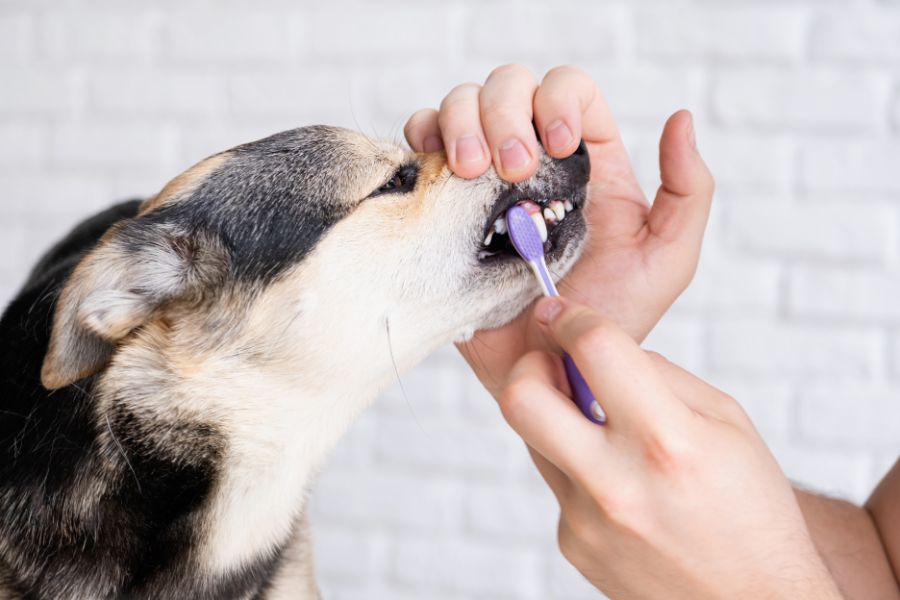
Brushing your dog’s teeth is one of the most effective ways to prevent plaque and tartar buildup. Use a toothbrush and toothpaste specifically designed for dogs—human toothpaste can be harmful to pets. If you introduce your dog to teeth brushing earlier, creating and maintaining a routine as they develop will be easier. Begin brushing your dog’s teeth by letting them get used to the toothbrush and toothpaste. Gradually work up to brushing their teeth and aim to brush your dog’s teeth at least 2-3 times a week, or daily if possible.
Provide Dental Chews and Offer a Healthy Diet
Dental chews and toys can help reduce plaque and tartar buildup while keeping your dog entertained. Look for products approved by the Veterinary Oral Health Council (VOHC). A balanced diet contributes to good oral health. Dry kibble can help scrape off plaque, while certain dental diets are formulated to promote oral hygiene. Avoid giving your dog sugary treats or table scraps that can contribute to dental problems.
Schedule Regular Vet Check-Ups and Consider Professional Dental Cleanings
Regular dental check-ups with your veterinarian are essential. Your vet can assess your dog’s oral health, provide professional cleanings, and address any issues early on. While at-home care is critical, professional dental cleanings are sometimes necessary. Your veterinarian can thoroughly clean under anesthesia, removing plaque and tartar from areas that are hard to reach home. Regular professional cleanings can complement your at-home efforts and keep your dog’s mouth in top condition.
Monitor for Warning Signs and Overcoming Challenges in Dog Oral Care
Look for signs of dental issues, such as red, swollen, or bleeding gums, difficulty eating or chewing, excessive drooling, discolored teeth, and persistent bad breath. If you notice any of these symptoms, consult your veterinarian promptly. In addition to monitoring your dog, training your dog to accept oral care can take time and patience but is essential. Starting early can be one of the best things you can do. Introducing oral care routines to young dogs ensures they adapt to new habits more quickly. Remember to reward your dog with praise, treats, or playtime after successful brushing sessions. Be gentle when brushing your dog’s mouth to avoid causing discomfort or fear, and add some fun to the routine by using flavored dog toothpaste to surprise your pup.
The Importance of Dog Oral Care
The importance of dog oral care is not just about keeping their teeth clean; it’s about safeguarding their overall health and quality of life. By incorporating regular brushing, dental chews, a healthy diet, and routine vet check-ups into your pet care routine, you can help prevent dental problems and ensure your dog’s long-term well-being. Remember, it’s never too late to start caring for your dog’s teeth. With patience, consistency, and the right tools, you can make oral care a manageable and rewarding part of your dog’s life. Your pup will thank you with a wagging tail and a healthier smile.
Contact Luv My Sitter for your pet-sitting needs!


