
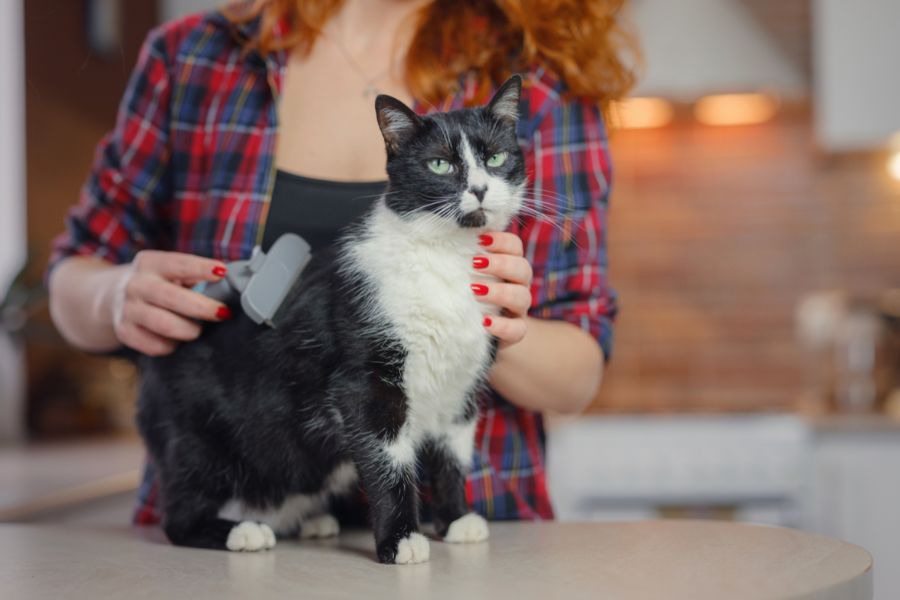
As the seasons change and temperatures rise, pet parents often face the annual challenge of shedding. While shedding is a natural process for most animals, it can become overwhelming when your home and clothes seem to be constantly covered in fur. Managing heavy shedding keeps your environment cleaner and ensures your pet remains healthy and comfortable. Managing heavy pet shedding can take time and skill. This blog will explore practical tips and grooming advice to help you handle shedding season like a pro.
Understanding Shedding
Shedding is a natural way for pets to lose old or damaged hair and make room for new growth. Shedding varies depending on the breed, coat type, and season. Double-coated breeds such as Huskies, Golden Retrievers, and German Shepherds typically shed more during spring and fall when they “blow” their coats to prepare for seasonal temperature changes. Cats, too, shed year-round but often experience increased shedding in spring and summer.
While shedding is normal, excessive or unusual shedding may indicate underlying health issues such as skin allergies, poor diet, or hormonal imbalances. If you’re concerned about the amount of hair your pet is losing, consult your veterinarian for a professional evaluation.
Tips to Manage Heavy Shedding
Regular Brushing
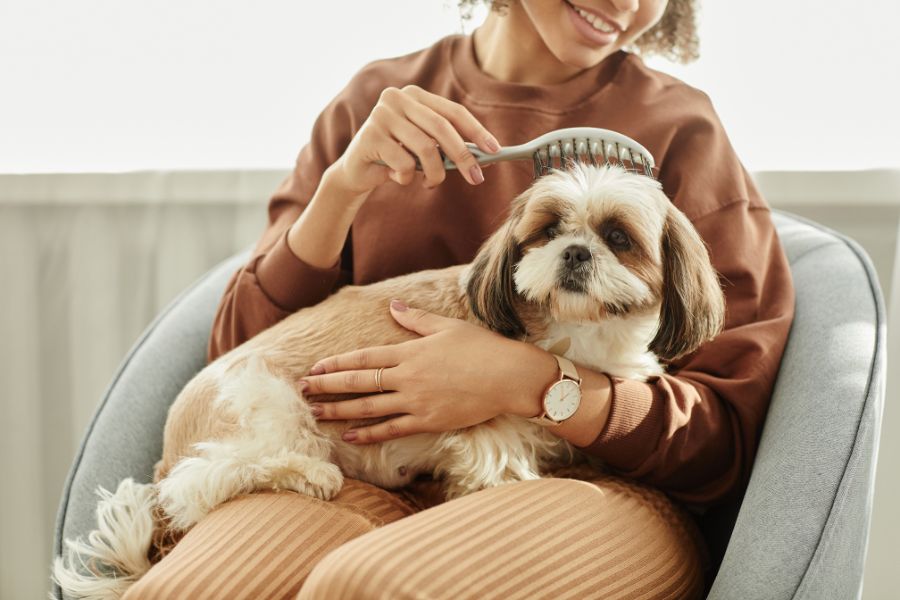
Frequent brushing is the most effective way to manage shedding. It helps remove loose fur before it ends up on your furniture and clothing, promoting healthy skin and stimulating blood circulation. Choose a brush designed for your pet’s coat; use a rubber curry comb or a slicker brush for short-haired breeds to remove loose hairs effectively. Long-haired breeds may benefit more from a de-shedding tool or wide-toothed comb to tackle tangles and undercoat fur. For double-coated breeds, a rake-style de-shedding tool best reaches the dense undercoat. Aim to brush your pet a few times a week during peak shedding seasons. For heavy shedders, daily brushing may be necessary.
Bathing
Bathing your pet with a high-quality, moisturizing shampoo can help reduce shedding by loosening dead hair and keeping the skin hydrated. Consider using a de-shedding shampoo or one formulated for your pet’s specific skin needs. After bathing, thoroughly dry your pet and follow up with a brushing session to remove loosened fur. How often you bathe your pet depends on their breed and activity level, but once every 4-6 weeks is generally sufficient for most dogs. Cats usually don’t require regular baths unless they have a skin condition or get very dirty.
Proper Nutrition and Hydration
A balanced diet plays a significant role in the health of your pet’s coat. Ensure your pet’s food is rich in essential fatty acids, such as Omega-3 and Omega-6, which promote healthy skin and reduce shedding. Supplements like fish oil can also benefit pets prone to dry skin or excessive hair loss. Always consult your veterinarian before introducing new supplements to your pet’s diet. Also, dehydration can lead to dry skin, possibly contributing to shedding. Make sure your pet always has access to fresh, clean water. For pets reluctant to drink, try offering flavored pet-safe broths or adding water to their food.
Use Professional Grooming Services
Sometimes, our pets’ coats require professional care. Professional groomers have specialized tools and techniques to manage shedding more effectively. Regular grooming appointments can significantly reduce the amount of fur in your home. Groomers can also recommend appropriate de-shedding treatments or trims for your pet’s coat type.
Reducing Shedding Around the Home
Even with regular grooming, some shedding is inevitable. Here are some tips to keep your home fur-free. Invest in pet-friendly vacuum cleaners with strong suction, specialized attachments, and filters designed for pet hair. Use washable covers to protect furniture and bedding. Keep lint rollers handy for quick clean-ups on clothes, and use rubber gloves to gather hair from furniture or clothing. Investing in an air purifier can help trap pet hair and dander, improving air quality and reducing allergens.
When Shedding Signals a Problem
Be aware of excessive shedding that leads to bald patches, skin irritation, or other abnormalities. Possible causes include environmental or food allergies that cause skin inflammation and hair loss. Parasites like fleas, ticks, or mites may lead to excessive itching and shedding. Hormonal imbalances and conditions like hypothyroidism or Cushing’s disease can affect coat health. Lastly, stress and anxiety can impact your pet’s coat. If you notice any of these signs, consult your veterinarian promptly for diagnosis and treatment.
Managing Heavy Pet Shedding
Managing heavy pet shedding is a natural part of pet ownership, but it doesn’t have to be overwhelming. You can keep your pet comfortable and living space clean with the right grooming routine, proper nutrition, and proactive home care. By staying attentive to your pet’s needs, you’ll manage shedding effectively and foster a healthier, happier relationship with your furry companion.
For your pet-sitting needs, be sure to contact Luv My Sitter!


