
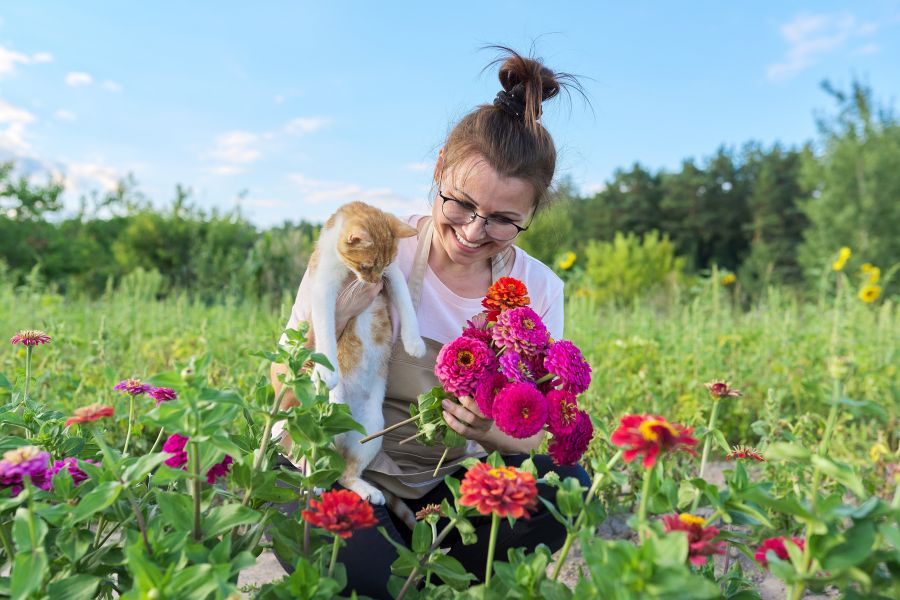
Gardening can be a rewarding and therapeutic hobby, but when you have pets, it’s essential to ensure your outdoor space is as safe for them as it is beautiful for you. Many common garden plants and landscaping choices can pose risks to pets, while others can enhance their environment, providing sensory enrichment and safe exploration opportunities. Gardening with pets takes some knowledge and patience. Here are some tips, advice, and plant recommendations to create a pet-friendly garden.
Choosing Pet-Safe Plants
When selecting plants for your garden, it’s crucial to consider species that won’t harm your furry friends. Some pet-safe plants can add color and texture to your garden without posing a risk to your pets. Calatheas (Prayer Plants) are beautiful, non-toxic, patterned plants that can thrive indoors or outdoors in shady areas. Spider plants are known for their easy maintenance and can entertain curious cats. Real bamboo (not lucky bamboo, which can be harmful) is a sturdy and safe option for pets, offering shade and a playful hideout. Petunias are bright and cheerful flowers that are safe for dogs and cats and add a pop of color to any garden. While roses are non-toxic, be mindful of their thorns, which can pose a physical hazard to playful pets. Lastly, thyme is a fragrant herb that not only can be used in your kitchen but can also be a sensory delight for pets, especially cats. These plants can help you build a safe and inviting environment for your pets to roam and relax.
Plants to Avoid
Certain plants are highly toxic to pets and should be avoided at all costs. Here’s a list of some common harmful plants to avoid. Lilies are known to be extremely toxic to cats. Even small amounts can cause kidney failure. Oleander is another toxic plant where every part of the plant is harmful to both dogs and cats, causing severe gastrointestinal and cardiac issues. Foxglove is known for its striking appearance but contains poisonous compounds that can potentially cause heart problems for pets. Staying clear of Sago Palms is also crucial. Ingesting any part of this plant can lead to severe liver damage or even death in pets. Tulips and Daffodils are common spring flowers, but the bulbs of these flowers are highly toxic and can cause vomiting, diarrhea, and abdominal pain. Aloe Vera is a popular and beneficial plant to humans, although it can cause vomiting and lethargy in pets if ingested. Lastly, Dieffenbachia (Dumb Cane) can cause oral irritation, excessive drooling, and difficulty swallowing in pets. To ensure safety, research any new plants before adding them to your garden and remove any potentially hazardous species.
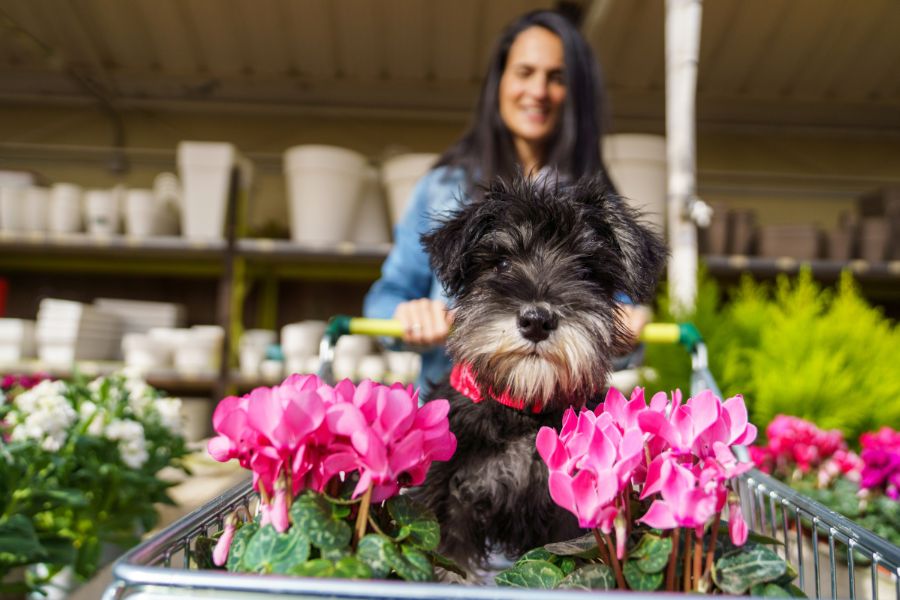
Tips for a Pet-Friendly Garden
Designate Play and Rest Areas
Create spaces specifically for your pets to play or rest. Incorporate shaded spots where they can cool off during warmer days. Adding soft grass or mulch that is pet-safe ensures comfort and safety. Avoid using cocoa mulch, as it can be toxic to dogs. In addition, ensure your garden is securely fenced to prevent pets from wandering into areas that may contain hazards, such as neighbouring gardens with toxic plants or pesticides.
Use Pet-Safe Fertilizers and Pest Control
Many traditional gardening products can be harmful to pets. Opt for organic, pet-friendly fertilizers and pest-control solutions. Avoid chemical pesticides and herbicides, which can linger on plants and in soil. If you have to use unsafe fertilizers and pest control, be sure to block off the area from your pets so they do not have any exposure or contact.
Provide Sensory Enrichment and Water Your Plants Safely
Include plants and elements that appeal to your pet’s senses. For example, cats often enjoy catnip or silver vine, while dogs may appreciate a digging zone filled with loose soil or sand where they can safely satisfy their instincts. If you have a pond or fountain, ensure it’s designed with pet safety in mind. Provide shallow areas for pets to drink or splash, and avoid adding toxic water plants like lilies. If your dog enjoys lounging in the water, buy a separate plastic doggy pool for them to enjoy.
Gardening Etiquette for Pet Owners
It’s essential to regularly clean your garden to remove pet waste and prevent unpleasant odors or contamination. This helps maintain a hygienic environment for both you and your pets. While gardening, it’s crucial to supervise your pets to ensure they don’t ingest harmful plants or dig in areas where they could harm roots or your landscaping efforts. Lastly, teach your pets which areas are off-limits. Use raised beds, fencing, or decorative borders to protect delicate plants and designate specific zones for your pets.
Gardening with Pets
Gardening with pets can be a joyous and fulfilling experience when safety and pet-friendly principles guide your choices. By carefully selecting non-toxic plants, creating pet-friendly zones, and maintaining a vigilant approach to potential hazards, you can cultivate a beautiful and safe garden for your furry family members. Happy gardening!
For your spring and summer pet care needs, contact Luv My Sitter and find out why we’re your pet’s favorite pet sitter in Austin.


