
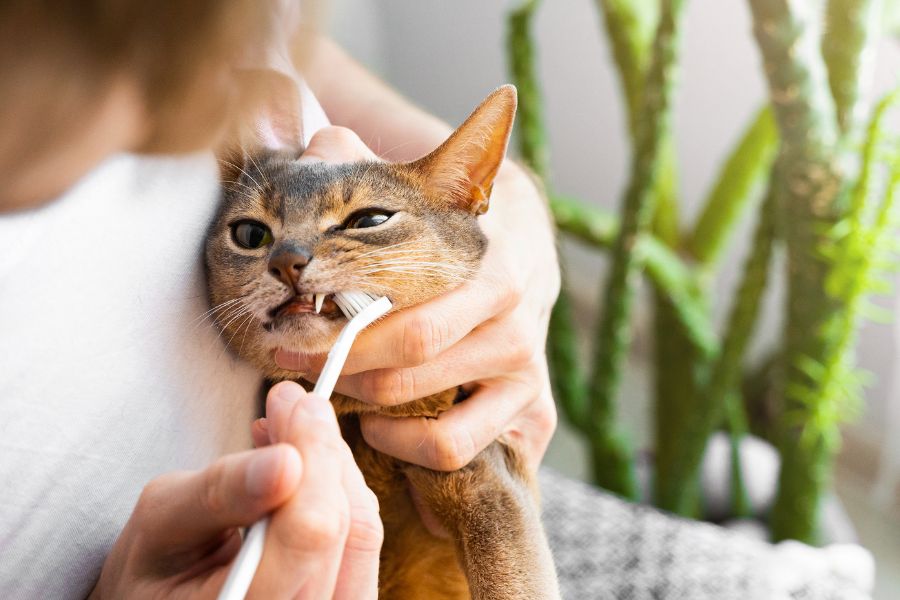
When caring for our feline friends, oral health is often overlooked. However, just like humans and dogs, cats require regular dental care to maintain their health and well-being. Neglecting a cat’s oral hygiene can lead to painful dental issues, bad breath, and even systemic health problems. By prioritizing feline oral care, you can help your cat live a longer, happier, and healthier life. Let’s take a look at the importance of feline oral care.
Why Feline Oral Care Matters
It Prevents Dental Diseases
Dental diseases are among the most common health issues in cats. The buildup of plaque and tartar on their teeth can lead to gingivitis, periodontal disease, and tooth decay. If left untreated, these conditions can cause significant pain and tooth loss. If not treated, teeth in a poor state can lead to infections, which result in serious medical procedures and even death.
Avoids Systemic Health Issues and Improves Their Quality of Life
Oral infections in cats can have far-reaching effects. Bacteria from the mouth can enter the bloodstream and potentially cause severe conditions such as kidney disease, liver problems, and heart disease. Regular dental care helps reduce these risks and acts as preventative care. Be sure to keep an eye on your cats. Those experiencing dental pain may struggle to eat, groom, or play. Addressing oral health issues can improve their quality of life and ensure they remain active and happy.
Common Feline Dental Problems
Some of the most prevalent dental issues in cats are periodontal disease, feline ondontoclastic resorptive lesions (FORL), gingivitis, and bad breath. Periodontal disease starts with gum inflammation caused by plaque and can progress to bone and tissue damage if untreated. Feline Odontoclastic Resorptive Lesions, or FORL, include painful lesions affecting the teeth and often require veterinary treatment. Like in humans, gingivitis is the inflammation of the gums, often due to plaque buildup, and is a precursor to more severe dental issues. Lastly, it’s important to note that persistent bad breath can indicate underlying dental problems or infections.
Signs of Dental Problems in Cats
Cats are masters at hiding discomfort, so watching for subtle signs of dental issues is essential. Some symptoms to look out for include bad breath, drooling, difficulty eating or chewing, swollen or bleeding gums, pawing at the mouth, loss of appetite, and noticeable weight loss. If you notice any of these signs, consult your veterinarian promptly.
How to Maintain Your Cat’s Oral Health
Regular Brushing
This is a tough one, but brushing your cat’s teeth is one of the most effective ways to prevent plaque and tartar buildup. To get started, purchase a toothbrush and toothpaste designed for cats. Remember to begin slowly by letting your cat sniff and taste the toothpaste and gradually introduce the toothbrush. Be gentle and reward them with treats. Be sure to focus on brushing the outer surfaces of their teeth and aim to brush at least 2-3 times a week or daily if possible.
Provide Dental Treats and Toys and Offer a Healthy Diet
Dental treats and toys are a great way to supplement your cat’s oral care routine. These products help reduce plaque and tartar while keeping your cat entertained. In addition, specific diets are formulated to promote dental health in cats. Dry kibble can help reduce plaque buildup, and specialized dental diets are available to support oral hygiene. You can add water additives to your cat’s water bowls to help reduce plaque buildup and freshen their breath. Consult your veterinarian if you’re unsure what treats, toys, or diets to try.
Schedule Regular Veterinary Check-Ups and Professional Dental Cleanings
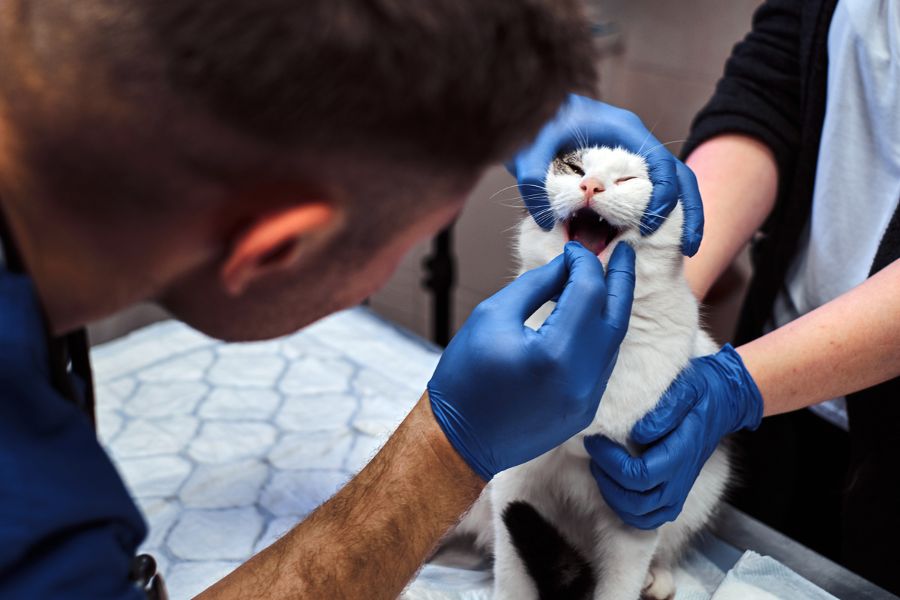
Routine vet visits are crucial for monitoring your cat’s dental health. Your veterinarian can perform professional dental cleanings and address any issues early on, saving you the stress that comes with worry and an expensive vet bill. Looking into professional dental cleanings can help maintain your cat’s oral health if possible. Despite our best efforts at home, professional dental cleanings are sometimes necessary. Your veterinarian can provide a thorough cleaning under anesthesia, removing plaque and tartar from areas that are hard to reach at home. Regular professional cleanings complement your at-home care and help prevent severe dental issues.
The Importance of Feline Oral Care
Feline oral care is an essential aspect of responsible pet ownership. By prioritizing your cat’s dental health, you can prevent painful dental diseases, reduce the risk of systemic health problems, and enhance their quality of life. With patience, consistency, and the right tools, you can make oral care a manageable and rewarding part of your cat’s routine. If you’re unsure how to care for your cat’s teeth or need professional help, consult your veterinarian. Together, you can ensure your feline friend enjoys a healthy mouth and a happy life.
For your pet-sitting needs in Austin, Texas, contact Luv My Sitter!


